
How to Reopen Your Swimming Pool After Winter
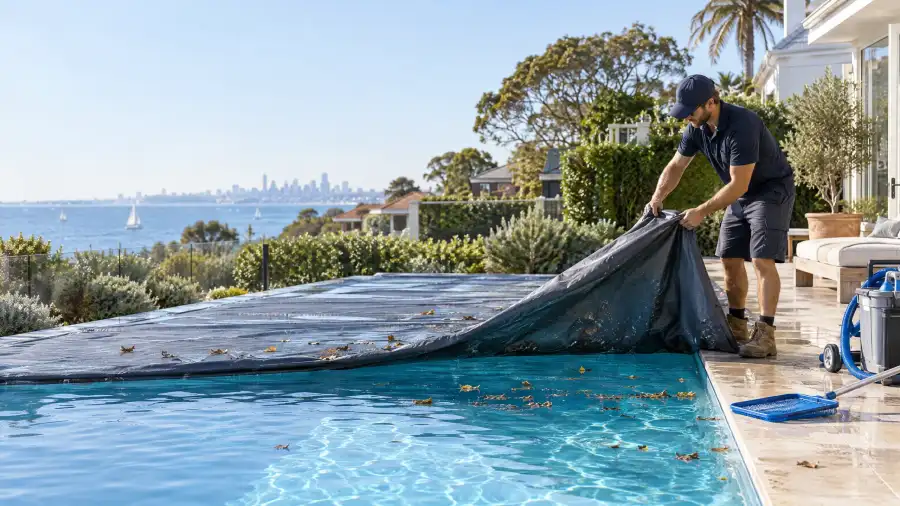
A careful spring opening helps you move from a covered, quiet pool to clean, comfortable swimming without rushing the checks that protect your water and equipment.
When Melbourne’s cooler months are over, reopening the pool can feel like the first real sign that warmer days have arrived. In Brighton, however, winter leaves more than a cover to remove. Wind-blown leaves, coastal debris, rainwater and months of limited circulation can all change the condition of the pool. The pump, filter and chlorinator may also need attention before they are asked to run regularly again.
The safest approach is to treat opening day as an inspection and reset, not simply a quick skim. Work methodically, keep people out of the water until its condition has been checked, and allow time for the system to circulate. If the water is heavily discoloured, the equipment will not start, or you are unsure about the readings, professional help can save repeated guesswork.
This guide explains how Brighton homeowners can reopen a swimming pool after winter, what to check first, and when to call a local pool care team.
Before you begin: Keep children and pets away from the pool while the cover is being removed and while the water and equipment are being assessed. Do not swim until the pool has been properly tested and the water is confirmed suitable for use.
When should you reopen your pool?
There is no single date that suits every Brighton pool. Base the timing on the weather, your planned swimming schedule and the condition of the pool rather than on the calendar alone. A mild spell may tempt you to open early, but a pool that is uncovered before you can clean and monitor it may collect more debris and demand extra attention.
Choose a dry, reasonably calm day if possible. You will be able to inspect the cover, remove it more safely and see the water clearly. If you use a pool cover, follow its manufacturer’s instructions for removal and storage. Check that the cover has drained properly before lifting it, and avoid dragging accumulated dirt into the pool.
How to reopen your swimming pool after winter
- Inspect the area and the cover. Walk around the pool first. Look for loose paving, damaged fencing, standing water, fallen branches and anything that could enter the pool during opening. Clear large debris from the cover with the appropriate tool, then remove and rinse the cover as directed. Let it dry before storing it in a cool, dry place where rodents and sharp objects cannot damage it.
- Check the water level. Compare the level with the normal operating mark or skimmer opening. A low level can affect circulation and may allow the pump to draw air. A high level after rain can reduce skimming efficiency. Top up or remove water only as needed, and make a note of unusual water loss. If you suspect a leak, arrange an equipment or leak inspection instead of repeatedly adding water without finding the cause.
- Remove visible debris. Use a leaf net to lift out leaves, sticks and larger material before brushing or vacuuming. Empty the skimmer basket and pump strainer basket when the system is safely switched off. Removing the bulk of the debris first reduces the load on the filter and makes the later water assessment more useful.
- Inspect the pool surfaces. Brush walls, steps, corners and the floor where accessible. Look for staining, slippery surfaces, cracks, loose fittings or anything that has changed since the pool was closed. Do not assume a green tint is only dirt. Algae, poor circulation and an out-of-balance water condition can look similar from the surface and need different attention.
- Check the pump, filter and valves. Look for damp patches, cracked lids, worn seals, unusual corrosion, loose connections or signs of pests. Confirm that valves are in their normal operating positions and that the filter pressure gauge is intact. Never operate equipment that is visibly damaged or leaking. An inspection and pool maintenance service in Brighton can identify equipment issues before they become a circulation problem.
- Restart circulation carefully. Prime the pump only as instructed for your equipment, then start it while watching for leaks, unusual noise or failure to establish flow. Check that water is moving through the returns and that the skimmer is drawing correctly. If the pump repeatedly loses prime, trips a breaker or runs dry, switch it off and arrange an equipment inspection rather than continuing to restart it.
- Clean or backwash the filter as appropriate. The correct procedure depends on whether you have a cartridge, sand or other filter. Follow the equipment instructions, and never open a pressurised filter. Once the system is running, note the clean pressure reading so you have a useful comparison for future checks. Poor filtration can leave a pool cloudy even when the surface appears clean.
- Test the water before adjusting it. Use a reliable testing method to assess the water condition. Check the key readings recommended for your pool system, then record the results, the date and any recent rainfall or top-up. Home testing can be useful for routine monitoring, but a pool that has been closed for months, looks cloudy or has uncertain results is a good candidate for digital water testing through the local pool maintenance team.
- Balance the water gradually. Make adjustments based on the test results and your product instructions. Avoid adding several products at once or making large changes without allowing circulation and retesting. The right sequence depends on the readings, pool volume and sanitation system. If the chemistry is confusing or the water has a strong odour, unusual colour or persistent cloudiness, ask a professional to assess it. The verified pool chemistry balancing service is designed for this type of problem.
- Run the system and reassess. Give the water time to circulate, then inspect the pool again. Brush areas that still show build-up, empty baskets as needed and monitor the filter pressure. Do not judge readiness by appearance alone. Water should be tested again after treatment and before anyone swims, in line with the product directions and the advice of your pool professional.
What to do if the pool is green or very cloudy
A neglected pool can develop algae or heavy cloudiness over winter, especially when circulation and monitoring have been reduced. Avoid swimming and do not simply pour in products at random. Start with a visual inspection, remove debris, check the filter and obtain a dependable water assessment. A green pool may need several coordinated steps, including surface cleaning, filtration and carefully planned water treatment.
Do not vacuum a severe algae problem without understanding where the waste will go. Some systems can send dirty water back through the pool if the setting is wrong, while others require a particular cleaning method. If the pool remains green after basic cleaning or the filter cannot keep up, use a specialist green pool recovery service in Brighton for an assessment and treatment plan.
The same principle applies to equipment. A noisy pump, weak return flow, repeated breaker trips or a filter that will not hold pressure should be treated as an inspection issue, not an invitation to keep forcing the system to run. The pool maintenance team’s page includes pool equipment servicing and repair support for homeowners who need the circulation side checked.
Spring reopening checklist
- Choose a suitable day and keep the area supervised while opening.
- Remove, rinse, dry and store the cover according to its instructions.
- Clear leaves and debris before brushing or vacuuming.
- Check the water level, skimmer basket, pump basket and visible fittings.
- Inspect the pump, filter, valves, returns and chlorination equipment.
- Clean the filter using the correct method for its type.
- Test and record the water condition before making adjustments.
- Make changes gradually, circulate and retest.
- Arrange professional testing or equipment inspection when readings or operation are uncertain.
- Confirm the water is suitable before swimming and restart your regular care routine.
How to keep the pool ready after opening
Opening the pool is the reset; consistency keeps the work manageable. Skim leaves before they sink, empty baskets when they are filling, brush areas that collect build-up and keep an eye on the filter pressure. Record water tests so you can notice a trend rather than reacting only when the pool looks wrong.
Brighton’s coastal setting can bring wind-blown material and changing conditions to the backyard. A cover can reduce debris and evaporation when the pool is not in use, but it still needs to be checked and cleaned. Keep the equipment area clear and dry, and have unusual leaks, corrosion or noise assessed early.
For a broader look at planning and ongoing care, read the existing Brighton pool maintenance cost guide. It can help you think about routine servicing, seasonal work and the difference between preventative care and an unexpected clean-up, without assuming every pool has the same needs.
Frequently asked questions
Can I reopen my pool if the water is clear?
Clear water is encouraging, but it is not proof that the pool is ready. Check the water with a suitable test method, inspect the equipment and confirm that the circulation system is operating normally before swimming.
How long does reopening a pool take?
A clean, well-covered pool may be ready after a careful inspection, cleaning and testing routine. A pool with debris, algae, cloudy water or equipment faults can take longer. The time depends on the pool’s condition, filter type and the work required.
Should I drain the pool after winter?
Not as a default step. Draining can create structural and surface risks for some pools and should only be considered after the pool and site have been assessed. Many winter issues can be addressed through cleaning, filtration, testing and targeted treatment.
What if my pump will not start?
Check only the basic items that your equipment instructions permit, such as the power supply and visible controls. Do not open electrical components or run a pump dry. Turn the system off and arrange a professional inspection if the problem continues.
When should I book professional help?
Book help when the pool is green, the water remains cloudy, test results are inconsistent, the equipment is noisy or leaking, or you would rather have the opening assessed from the start. A local team can combine cleaning, testing, chemistry balancing and equipment checks in one visit.